In spite of a severe second wave of the coronavirus pandemic, and a widespread disruption in public life therefore, India's fast-moving consumer goods (FMGC) sector seems to have emerged as one of the most resilient segments of the economy. The early numbers and estimates for the April-June quarter indicate a steady recovery in FMCG players' business, which is now set to exceed the pre-pandemic level. Amid nationwide lockdowns because of the first Covid wave, FMCG revenues had been severely affected in mid-2020.

Softening rural consumption and the likelihood of weak corporate earnings in the March quarter saw investors dump stocks.

Some investment bankers expect the Indian currency to touch 60-65 by the end of the year

Leading FMCG firm HUL on Thursday said it has switched to green fuel alternatives such as biomass and biodiesel and has eliminated the usage of coal across its operations. The company has collaborated with biomass suppliers and local farmers to ensure sustainable supply of green fuel and has made the necessary changes for the renewable transition in its coal-fired boilers, said an HUL statement. Besides, the shift from coal to renewable energy sources has also resulted in savings for the company, it added.

Anglo-Dutch parent's stake in Indian subsidiary rises from 52.5% to 67.3%.

Besides foreign flows, corporate earnings and US Federal Reserve chief Janet Yellen's testimony to the nation's legislature are also likely to impact investor sentiment.

One of the oldest living brands in the country, Horlicks has been innovative in its approach, which helped it survive intense competition
Experts say despite it being a global deal, the transaction will have to undergo CCI scrutiny because of the scale of operations.

After flirting with 'indulgent' variants, Horlicks and Foodles have tasted success with their health and nutrition positioning.

The British pharma and consumer products maker had announced the open offer in November last year to raise its stake in its subsidiary to 75 per cent from 43.16 per cent at present.
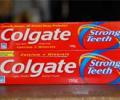
The oralcare major has kept its ears firmly to the ground, pushing products into the hinterland and is holding fort in urban India with innovation for continued volume growth.

A glance back at some of the important ups and down Indian Inc faced in 2018.

GlaxoSmithKline, the world's second biggest drug maker, said it was interested in acquisitions in India if the assets came at the right value.
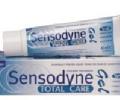
With the expectation of a big rise in the market for 'sensitive toothpastes' in the near term, GlaxoSmithKline (GSK), the largest company in the health food sector, has forayed into this category in India with its biggest global brand, Sensodyne Toothpaste. This has been launched across all metropolitan and Tier-I cities.

Some big ones hoard cash unduly and others borrow to keep up payments to shareholders

147 domestic and international recruiters -- including Ola, Amazon, Flipkart and Xiaomi -- hired all 460 graduates.

This goes a long way in creating an ethical organisation culture that in turn helps attract talent.

Advertising taglines such as 'Bright in studies, bright in sports' attempted to drive home the message that Bournvita, a chocolate drink, could build a child's mental and physical faculties.
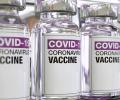
By 2022, there is a plan to make an mRNA-technology vaccine, for which it has tied up with Canadian firm Providence Therapeutics.

With a new campaign for Gatorade and renewed thrust on sports drinks, PepsiCo looks to make the most of the growing passion for fitness in the country.
The investigation against HUL was initiated on the basis of an anonymous complaint. It alleged 'profiteering' of around Rs 535 crore between November 15, 2017, and February 28, 2018.

@015 may be a good year for FMCG firms.

India was the flavour of the year, at least in the FMCG sector, as multinationals hiked stakes in their subsidiaries lured by long term potential of the country, while homegrown executives made their way to top hierarchy of global firms in 2013.

Sensex rises, Nifty ends at record high; RIL shares rally.

Even as the Supreme Court had recently dismissed the industry's plea against prices fixed by the regulator and its timely implementation, the National Pharmaceutical Pricing Authority has asked companies to pay the overcharged dues with 15 per cent interest.
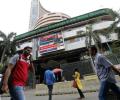
Sensex rises, Nifty holds 8,900; FMCG, Pharma shares lead.

It also marks the culmination of the revamp exercise that the brand undertook 18 months back, spearheaded by Nellaiappan Thiruambalam, who was appointed as director and CEO of the personal care and foods division in April 2013.

The benchmark BSE Sensex ended down 2.23 per cent. The Bank Nifty fell 3.59 per cent.

If you are not happy with the price offered at buybacks, you could be in for a long haul.

Dilip Shanghvi founded Sun Pharma in 1983.

FIIs pump in Rs 2,075 crore in past three trading sessions.
